When a loved one is diagnosed with breast cancer, the immediate focus naturally pivots to her. However, alongside every patient stands an unsung anchor: the caregiver. In Pakistan, where family structures are closely knit, stepping into the role of a caregiver is both a deeply profound responsibility and an exhausting commitment.
At Pink Ribbon Pakistan, we witness daily that love and emotional intent are vital, but they are only half the battle. To truly support a patient through surgery, chemotherapy, and radiation, a caregiver needs more than sentiment; they need a structural strategy.
This guide provides practical, logical, and deeply empathetic steps to help you navigate this journey without losing your own footing.
Shifting from Medical Observer to Information Manager
The clinical environment can be incredibly overwhelming. Between digesting complex oncology terms and managing scheduling demands, patients often miss critical details during consultations. Your most valuable early contribution is acting as her secondary memory.
- Dedicate a single notebook or digital folder strictly to her treatment. Track every medication schedule, white blood cell count, and treatment date.
- The Three-Question Rule – Before every appointment at the clinic or hospital, write down three specific questions regarding side effects, dietary restrictions, or upcoming milestones.
- Well-meaning extended family and friends will constantly ask for updates. To save your energy and protect your loved one’s privacy, designate one secondary family member as the communications point-person to share updates with everyone else.
Managing the Physical Logistics of Daily Care
Breast cancer treatments alter how the body reacts to basic stimuli. True empathy during this phase looks like practical anticipation of her daily physical vulnerabilities.
Dietary Adjustments
Chemotherapy profoundly alters taste buds and causes severe nausea. Instead of preparing large, traditional heavy meals, pivot to logic-driven nutrition:
- Offer small, frequent, nutrient-dense portions rather than three large meals.
- Keep foods bland and at room temperature, as hot foods often emit stronger aromas that can trigger nausea.
- Track daily fluid intake; dehydration is a frequent reason for emergency clinical visits during active chemo cycles.
Post-Surgical Home Care
If your loved one undergoes a lumpectomy or mastectomy, her upper-body mobility will be significantly limited for weeks.
- Prepare the living space (Pre-surgery setup)
Place frequently used items, glasses, medications, phone chargers, and tissues at waist level so she does not have to stretch or raise her arms.
- Manage surgical drains (Daily tracking)
If she is discharged with surgical drains, measure and record the fluid output exactly as prescribed by your surgical team. Check the site daily for signs of infection such as unexpected redness, warmth, or pus.
- Implement gentle movement (Gradual mobility recovery)
Encourage gentle, approved shoulder and arm mobility exercises to promote lymphatic drainage and prevent lymphedema (painful swelling in the arm), but strictly avoid heavy lifting.
Navigating the Emotional Terrain: Active Listening Over Fixing
It is completely natural to want to counter fear with relentless optimism. Statements like “Stay positive!” or “You will be fine!” are born from pure love, but they can inadvertently make a patient feel isolated. They feel forced to hide their genuine anxiety to keep you comfortable.
Instead of trying to “fix” her fear, build a safe container for it.
When she expresses terror about hair loss, body image changes, or survival:
- Listen without interrupting – Do not immediately pivot to a silver lining.
- Validate the reality – Use phrases like, “It makes complete sense that you feel angry/scared right now. This is incredibly hard, and I am right here with you.”
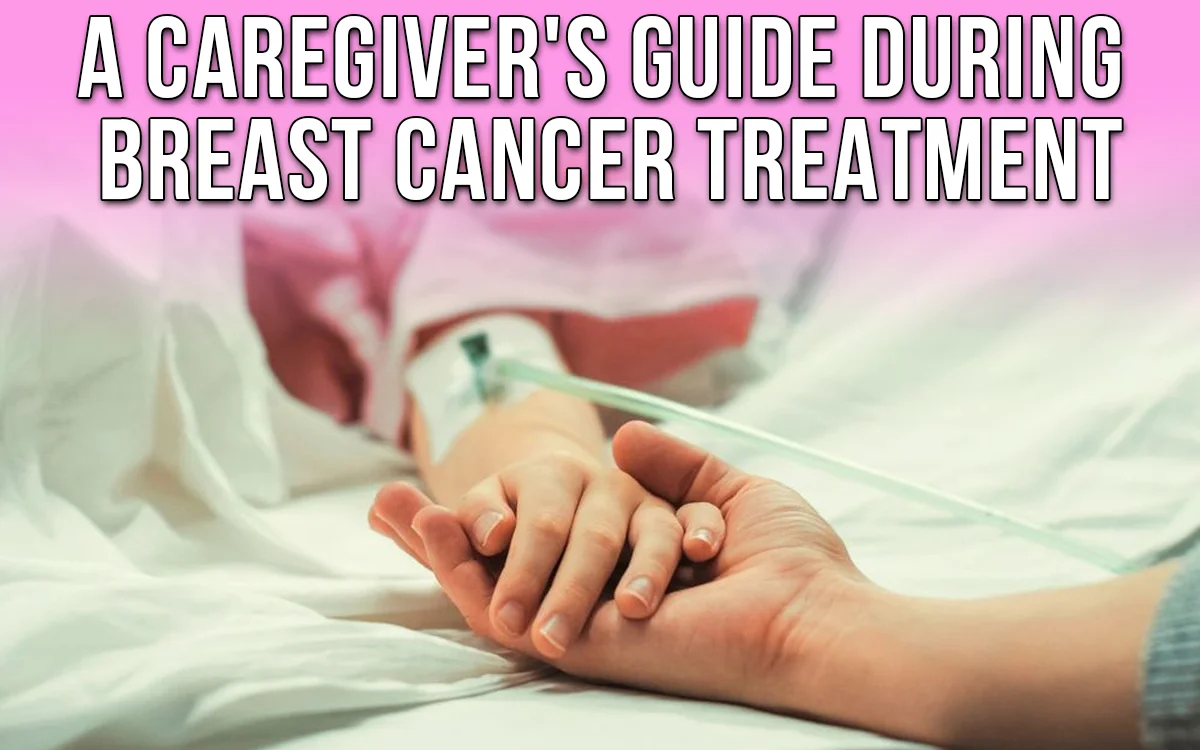
- Respect her silence – Sometimes, the best emotional care is simply sitting in the room, holding her hand, and ensuring she doesn’t feel alone in the quiet moments.
Protecting the Caregiver: The Rational Necessity of Self-Care
You cannot pour from an empty cup. Caregiver burnout is not a sign of weakness; it is a predictable physiological response to prolonged stress. If you collapse under the weight of caregiving, the entire support system falls apart. Taking care of yourself is a functional necessity for her survival strategy.
Burnout Warning Signs | Immediate Preventative Actions |
| Chronically disrupted sleep & physical fatigue | Outsource non-medical chores (laundry, groceries) to friends. |
| Growing irritability or emotional detachment | Dedicate 30 minutes daily entirely away from the patient’s room. |
| Neglecting your own health or missing meals | Schedule your own annual medical checkups and maintain routine meals. |
Accept help when it is offered. When neighbors ask, “Let me know if you need anything,” give them a concrete, non-medical task: “Could you send over dinner this Thursday?” or “Could you help drop the kids off at school tomorrow?” Delegating logistics leaves you with more energy for direct care.
Moving Forward Together
Caregiving during breast cancer is a marathon, not a sprint. It demands an extraordinary balance of mental fortitude and softhearted patience. By managing the logistics systematically, validating emotional realities without rushing to fix them, and preserving your own health, you become the steady anchor your loved one needs.
Remember, you do not have to carry this immense weight entirely on your shoulders. Pink Ribbon Pakistan is committed to supporting both our brave patients and their dedicated caregivers. From diagnostic procedures to systemic chemotherapy and holistic survivorship support, our professional clinical teams are here to guide your family through every step of this journey under a single institutional roof.
Author:
Syeda Naima Kazmi