
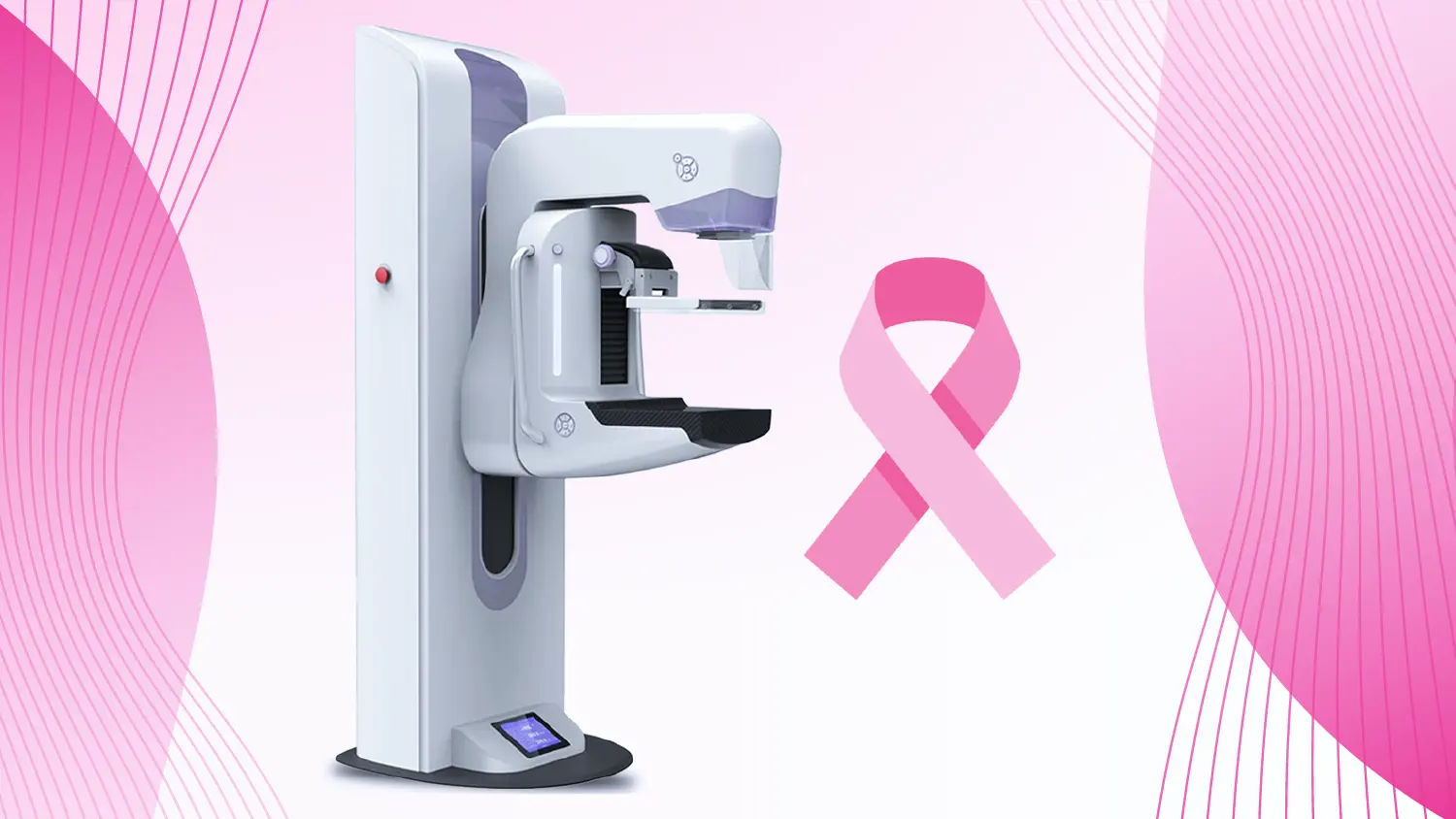
Introduction: Understanding the Power of Mammography
In contemporary medicine, it becomes clear that mammography plays a vital role in the diagnosis of breast cancer. Mammography enables early detection of abnormalities, which allows the patient to have better chances for disease management. This article presents a brief overview of mammography, including its features, significance, and important facts every person needs to know.
When speaking of breast health awareness, it is necessary to note that mammography occupies a central place in preventive diagnostics. It is much more than a mere test – it is a lifesaving procedure that helps detect any changes in breast tissue.
What is Mammography and Why Does It Matter?
Mammography refers to the application of a specific type of X-ray imaging system that is specially created to look at breast tissues. We employ it to locate any lumps in the breast tissue. Why mammography? It allows us to discover cancer in patients years ahead of its development, thus ensuring better survival chances and reduced necessity for drastic measures.
What do we use mammography for?
- For early detection of breast cancer.
- For locating any microcalcifications.
- For tracking changes in breast tissues.
- For confirming clinical findings.
All of these can be summed up to the ability to discover a disease ahead of time.
How Mammography Works: Step-by-Step Breakdown
Knowing the process will help you relax. We make sure that everything will be done safely and efficiently, usually taking no more than 15-20 minutes.
- Step 1: Positioning of Patient
- Step 2: Breast Checkup
- Step 3: Low-Radiation X-Ray Imaging
- Step 4: Image Evaluation
- Step 5: Interpretation
Finally, our specialists make sense of the results and determine what else needs to be done. This way, mammography will provide us with the best chances for success.
Types of Mammography We Use in Modern Medicine
Depending on the requirements and health problems, different forms of mammograms are used.
1. Screening Mammogram: It is used to examine asymptomatic patients during routine screening procedures.
2. Diagnostic Mammogram: In the case where symptoms such as lumps, pain, or discharge occur, this mammogram is recommended.
3. 3D Mammogram or Tomosynthesis: The innovative method helps generate layers of breast tissues and improves diagnostic precision.
4. Standard 2D Mammogram: It is a classical method widely used all over the world.
All of them are essential in diagnosing patients correctly and accurately.
Early Detection: Why It Saves Lives
One of the main benefits of mammography is the early detection of breast cancer. Early detection of cancer is highly essential because it will make treatment easier and more successful.
Early detection allows us to:
- Survive with high chances of success
- Have fewer complications in treatment procedures
- Ensure successful treatment outcomes
- Increase the number of treatment options
Research has clearly demonstrated that when early-stage breast cancer is detected via mammography, it is possible to survive with a higher than 90% survival rate.
Key Benefits of Mammography
We should never overlook the advantages of mammography in preventive medicine.
1. Prevention of Death Through Early Diagnosis: Cancer can be detected in its initial stages.
2. Fast and Painless Procedure: It is quick, without any form of surgery or needles.
3. Precise Imaging Results: Current technology allows for very precise imaging procedures.
4. Lower Breast Cancer Deaths: This procedure helps to lower deaths caused by breast cancer.
5. Prevention in Medical Practice: Mammography is a preventative approach rather than a curative one.
All in all, mammography enables us to gain control over our breasts in advance.
Safety of Mammography: Addressing Concerns

Safety of Mammography Addressing Concerns
A lot of people fear radiation, but rest assured that our facility ensures that mammograms involve very low doses of radiation, which is perfectly safe. The following points are important to remember:
- Low levels of radiation, tightly controlled
- The benefits far outweigh any possible risks
- No negative consequences of regular mammograms
- Compliance with worldwide safety standards for equipment
The World Health Organization recognizes mammography as an ideal screening tool.
Who Should Get a Mammogram?
We usually suggest mammograms for:
- Women 40 years and older
- People who have a family history of breast cancer
- People who have a genetic predisposition (for example, BRCA mutation)
- Those with any symptoms in their breasts
Of course, we always take a personalized approach to these recommendations.
What to Expect During the Procedure
We know that new patients might feel nervous about their first visit, but this procedure is very simple and will not take long at all.
During the exam:
- There may be some pressure while applying compression
- A single image takes only a few seconds
- The entire exam will be done in just 20 minutes
- No recovery period is necessary
Preparation Tips for Mammography
For precise results, here are a few easy tips that will be of assistance to you:
- Do not apply deodorant, powders, or lotions prior to the examination
- Wear loose two-piece clothing
- Let the technologist know if you have had any prior breast surgery
- Try and have the test done when your breasts are not tender
Common Myths About Mammography
Myths surrounding this process abound. It is important to address them as follows:
Myth 1: Mammograms hurt a lot: It does not hurt although it may be slightly uncomfortable.
Myth 2: This is only done to symptomatic women: The truth is that screening works best before the appearance of any symptom.
Myth 3: Exposure to radiation is harmful: It exposes you to extremely low levels of radiation, which is clinically safe. It is our hope that by busting these myths, we motivate individuals to opt for screening.
Mammogram Limitations
In addition to being highly effective, let us consider its limitations:
- Small tumors may not show up especially where there is dense breast tissue
- It leads to false positive results which prompt other screening procedures
- Not all abnormal tissue is cancerous
- That is why it needs to be combined with ultrasound and MRI for accuracy.
- Importance of Regular Screening
There is a strong need for consistent mammography since breast cancer starts without symptoms. The best way to protect yourself from breast cancer is through continuous screening.
Conclusion: Taking Control of Breast Health
Mammography continues to be one of the most dependable tools in today’s preventive medicine field. With its ability to detect problems early on, advanced technology, and safe practices, we can greatly enhance our patients’ well-being.
Knowledge about mammography allows us to take control of our health care. Prompt action prevents tragedy, and consistent screening plays a vital role in achieving optimal health.